
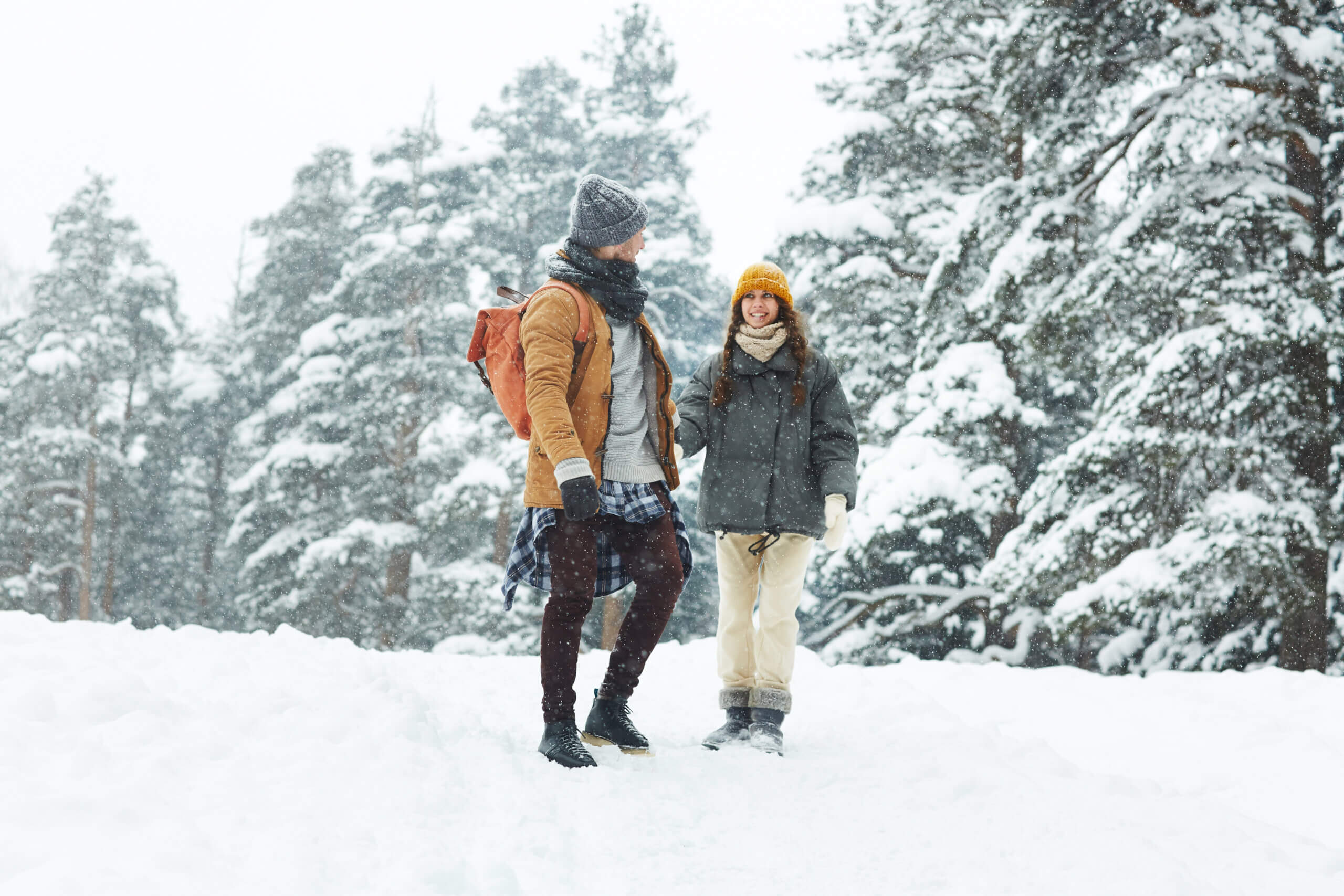
Just because the temperature drops doesn’t mean adventure stops. In fact, the colder months are some of the most magical times to experience Pikes Peak (also known as America’s Mountain). From snow-dusted views to fresh donuts at 14,115 feet, here’s your go-to guide for visiting Pikes Peak in winter.
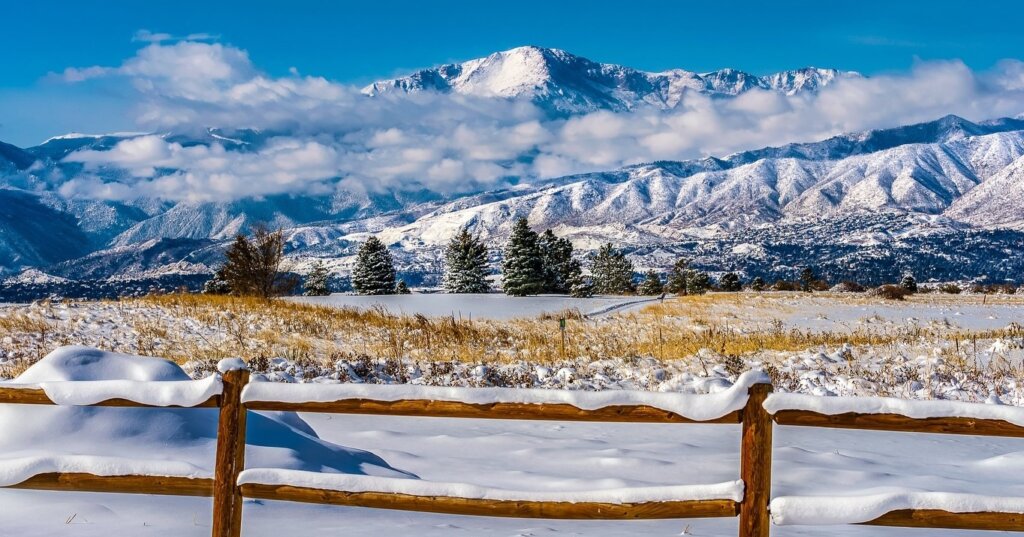
Pikes Peak in Winter: What to Expect
Towering above Colorado Springs, Pikes Peak draws visitors all year. In winter, its snowy summit feels extra serene. But the weather shifts fast, so flexibility and preparation are essential. The mountain is open year-round, weather permitting. From October to late May, the uphill gate opens at 9 a.m., with last entry at 3 p.m. and the summit closing at 4 p.m. Be sure to check current road conditions before heading out by calling 719-385-7325.
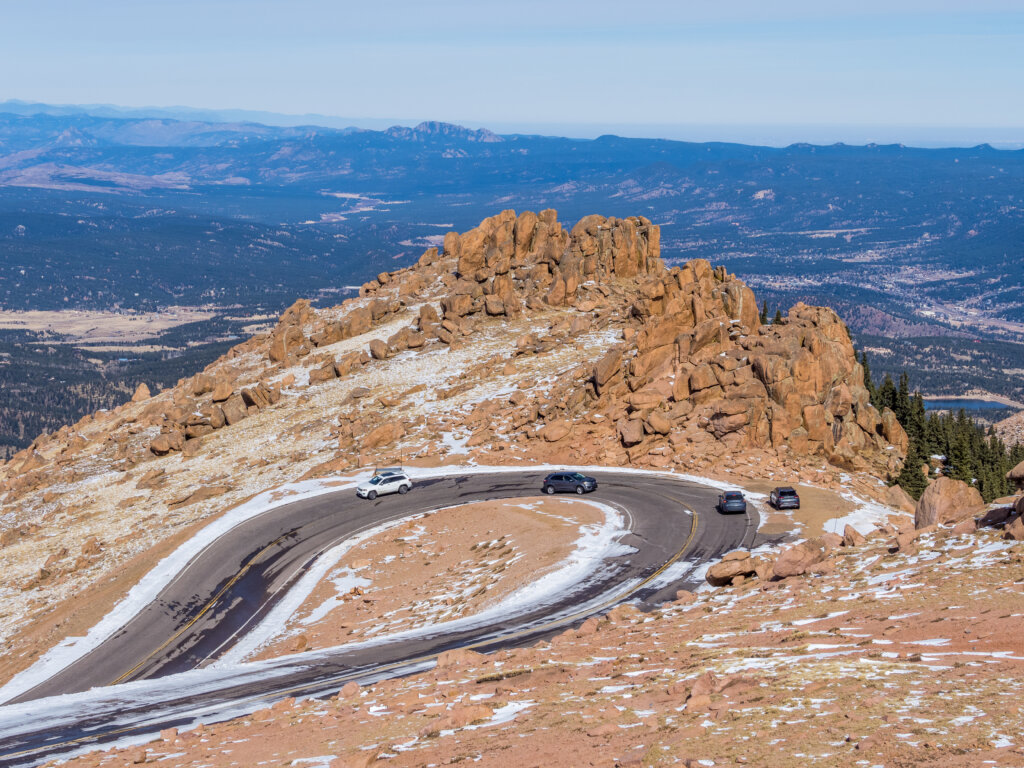
Getting There by Car: Pikes Peak Highway
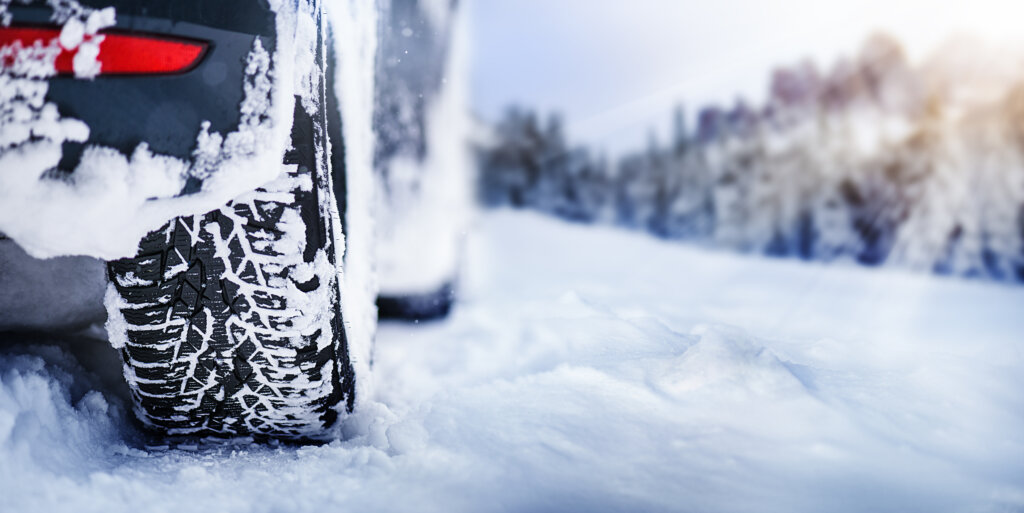
The Pikes Peak Highway is a scenic 19-mile paved road that takes you from the Town of Cascade to the summit. It’s open year-round but can be closed or partially closed depending on snow, ice, or wind. No pull-behind trailers or campers are allowed, and 4WD or snow-ready vehicles are highly recommended in winter.
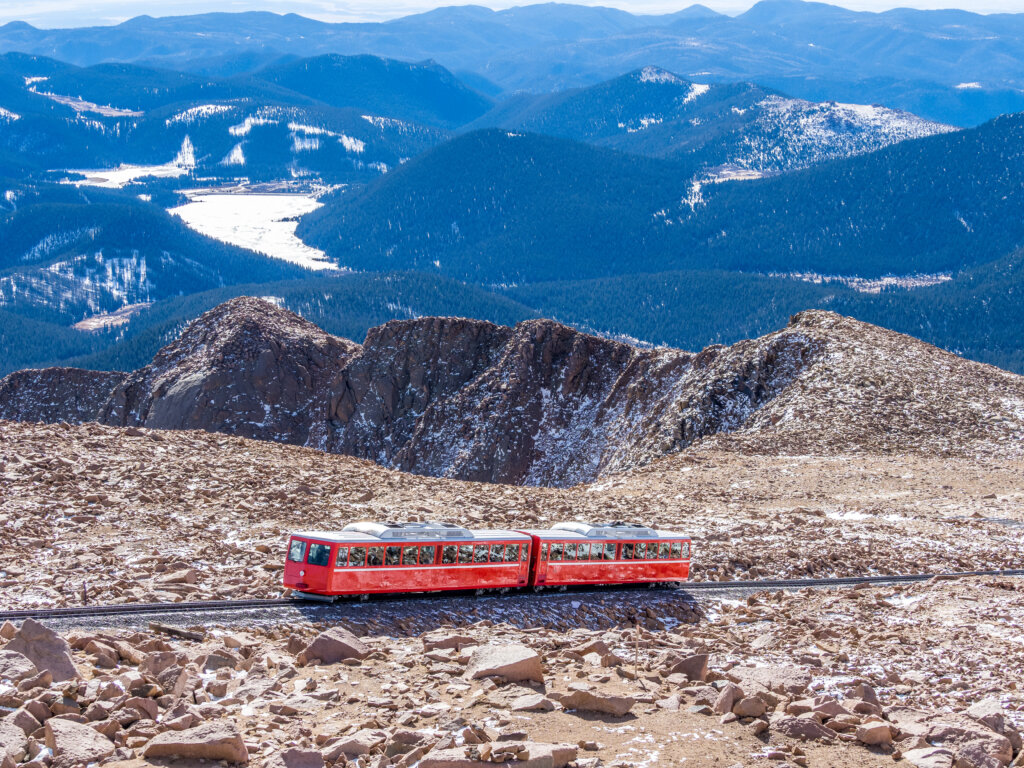
Riding the Cog Railway
Want to skip the drive? Take the Pikes Peak Cog Railway, the highest cog train in the U.S. It runs in most winter conditions, offering a relaxing three-hour round trip with incredible views and a nice, warm seat. Arrive at least 30 minutes before your scheduled departure, and book ahead — seats fill up fast, especially on clear days.
What to Do at the Summit
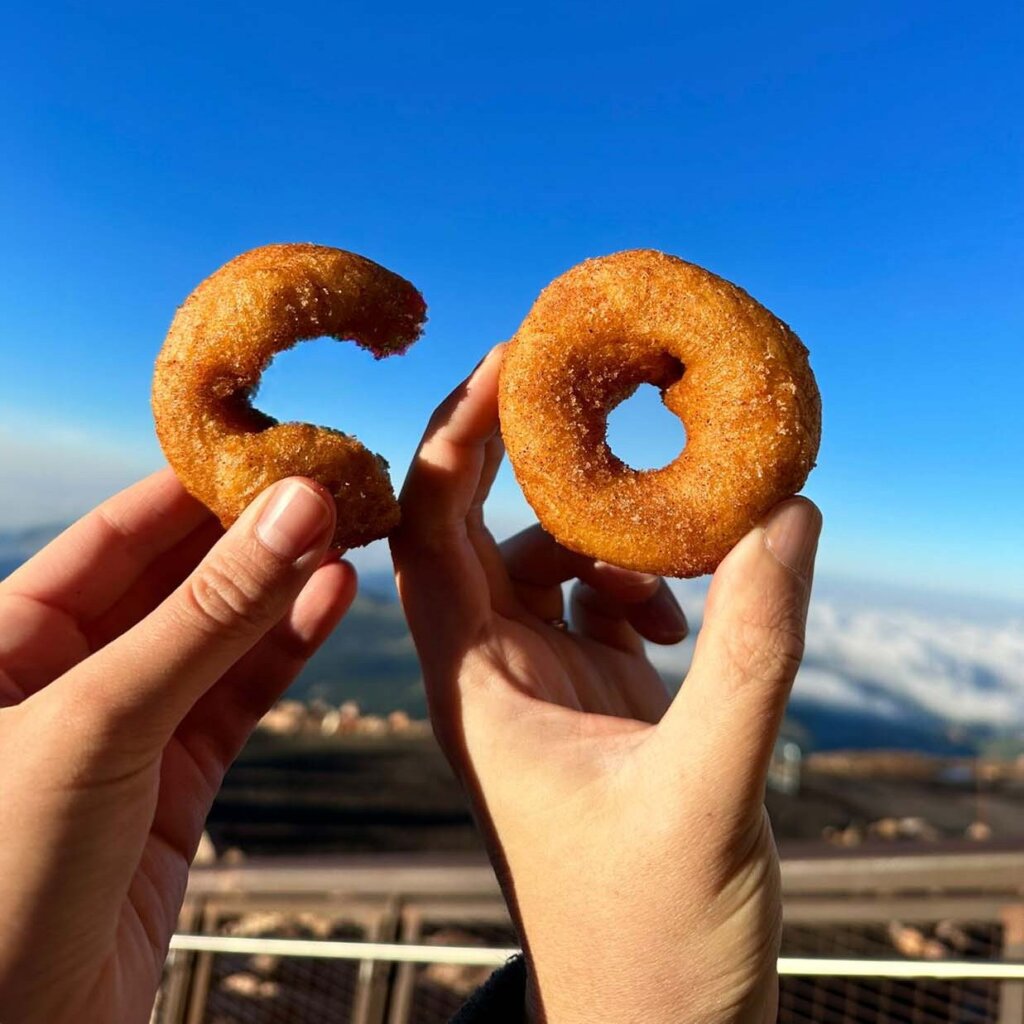
At the top, warm up inside the Summit Visitor Center: a state-of-the-art facility with 360° views, ADA-accessible walkways, exhibits, and a café. Don’t leave without trying a Pikes Peak donut, baked daily at 14,000+ feet. Other menu options include breakfast burritos & biscuits, soups & chili, hot dogs, burgers, and house-made fudge and snacks.
Winter Hiking on Pikes Peak
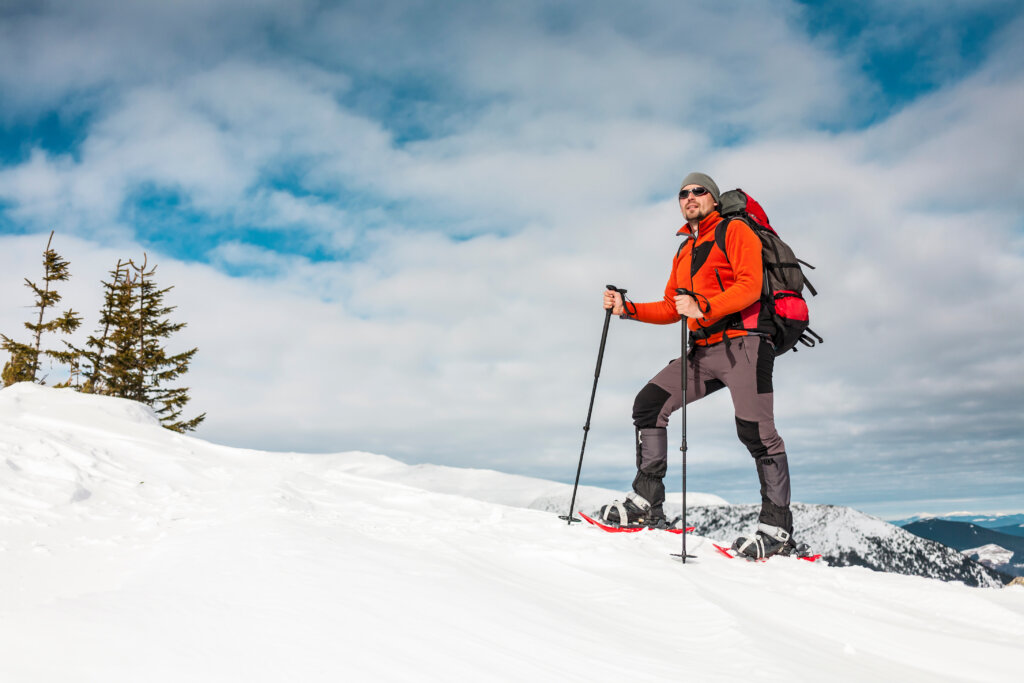
Hiking to the summit in winter is possible — but it’s not for beginners. Most winter hikers take the Northwest Slopes route via Crags Campground (approx. 16 miles roundtrip in winter, 5,100 ft elevation gain). Snow levels are often manageable due to wind exposure, but cold, wind, and altitude are serious factors and shouldn’t be ignored.
What to bring:
-
Microspikes or crampons
-
GPS and backup map
-
Layers for wind and snow
-
Ample water and high-calorie snacks
-
Also recommended: snowshoes, hiking poles, sunscreen, emergency bivvy
Expect few crowds, incredible views (especially around 12,000 feet), and very limited support. If you won’t summit before 4:00 p.m., turn around. And don’t forget, after-hours rescue fees start at $500/person so being careful and planning ahead is key! This is a strenuous, exposed route — best for experienced hikers who know how to manage winter conditions at altitude.
Winter Safety Tips
Winter on Pikes Peak is beautiful, but it demands preparation. Temperatures at the summit can be 30 to 40 degrees colder than in Colorado Springs, so dressing in layers is essential. Even if you’re just driving to the summit, make sure to bring plenty of water as dehydration happens quickly at high altitude. Before heading out, always check current road and trail conditions, as weather can shift rapidly and closures happen without much notice. Once on the mountain, be cautious of icy sidewalks and slippery parking areas. And don’t underestimate altitude: above 12,000 feet, symptoms like dizziness, nausea, or headaches are common. Know the signs of altitude sickness, and take it slow.

Challenger Homes: Enjoy Pikes Peak in Winter — and All Year Long
Whether you’re driving, riding the train, or hiking all the way up, winter is a great time to experience one of Colorado’s most iconic landscapes with fewer crowds and just as much magic. And when you live in a Challenger Homes community in Colorado Springs, you’re even closer to America’s Peak. Contact us today for more information or to schedule your personal tour.